


-

2-Layer Air Bubble Film Machine (2-Extruder)
3
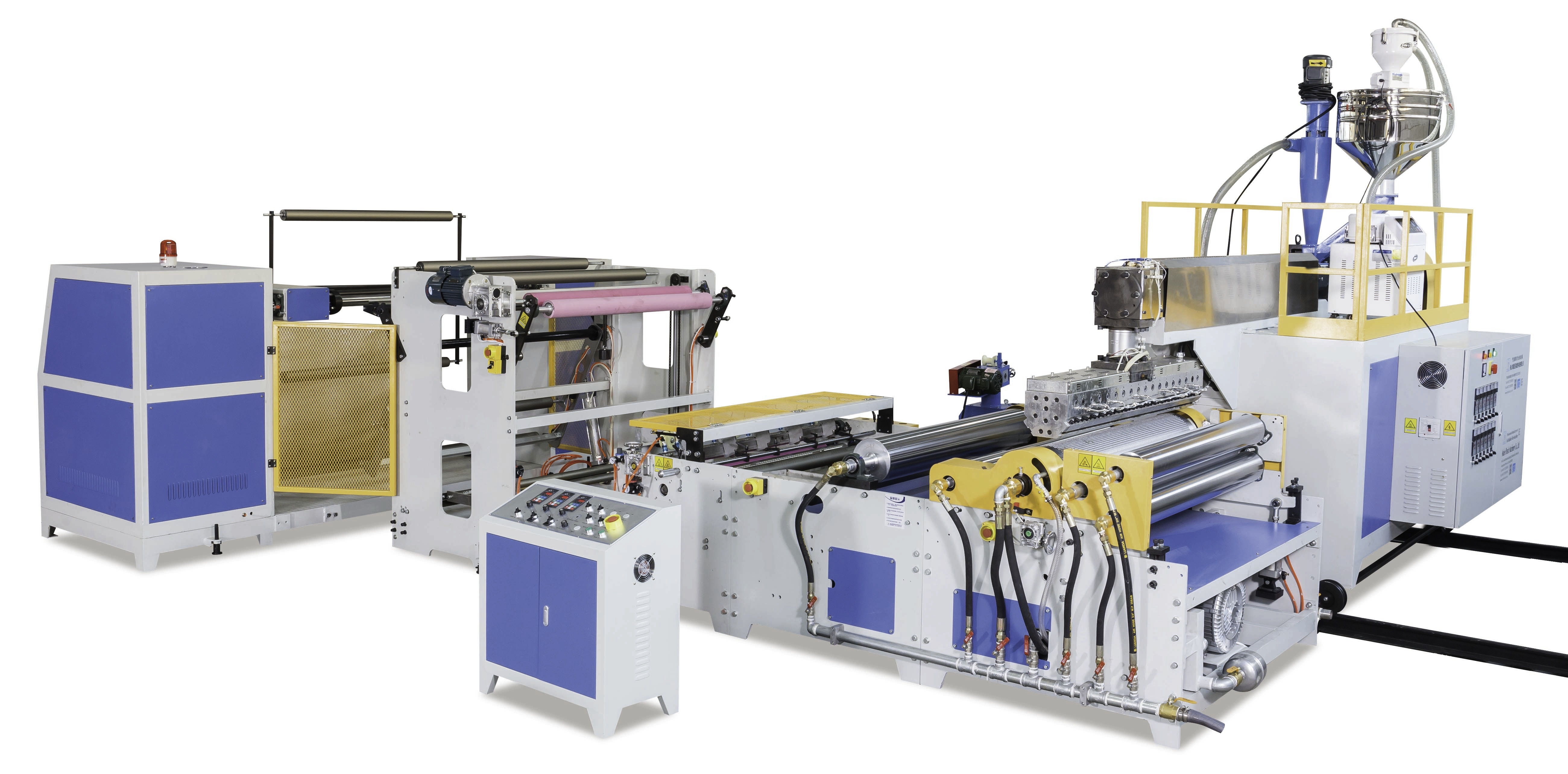
2-Layer Air Bubble Film Machine (Single Extruder)
4

3-Layer Air Bubble Film Machine (2-Extruder)
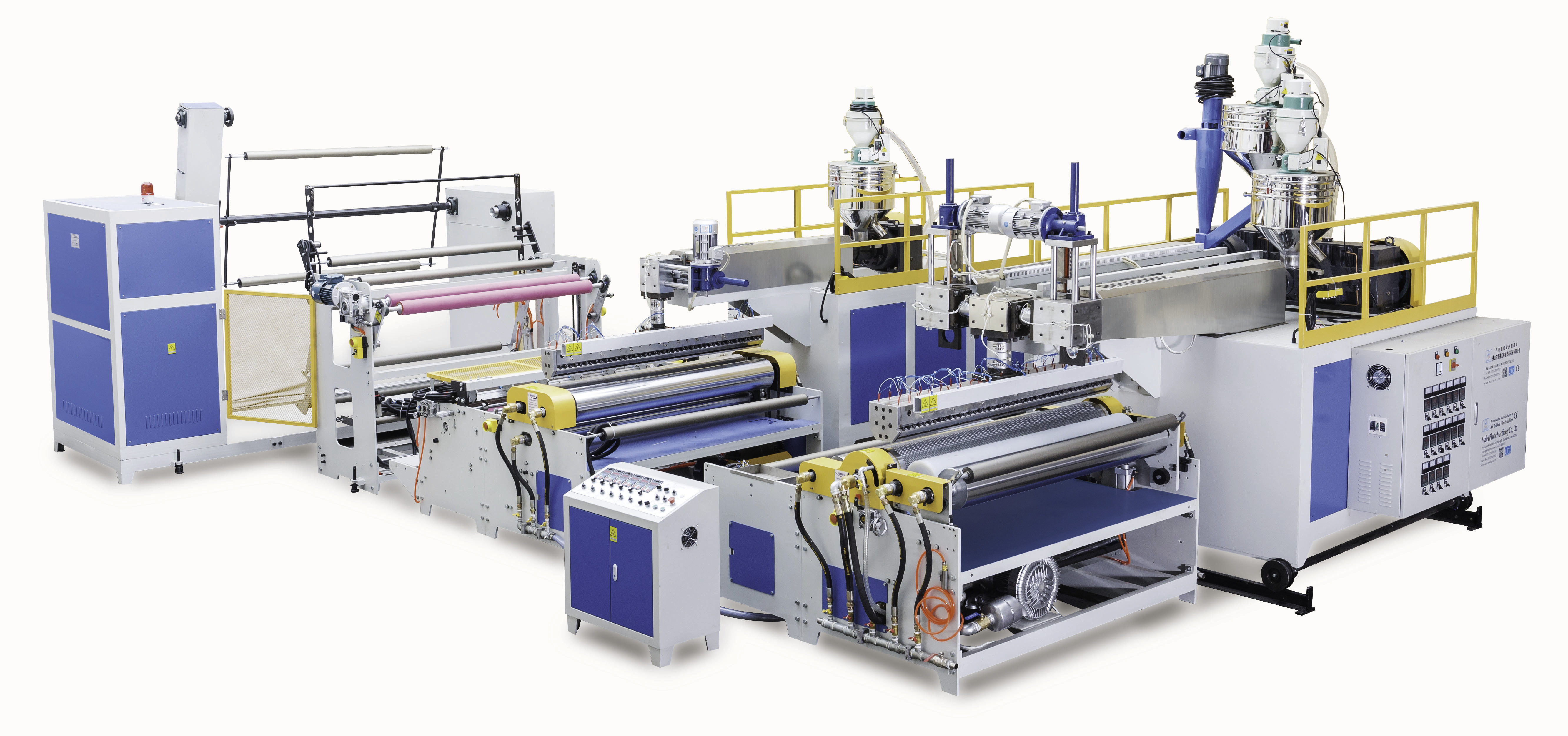
3-Layer Air Bubble Film Machine (3-Extruder)
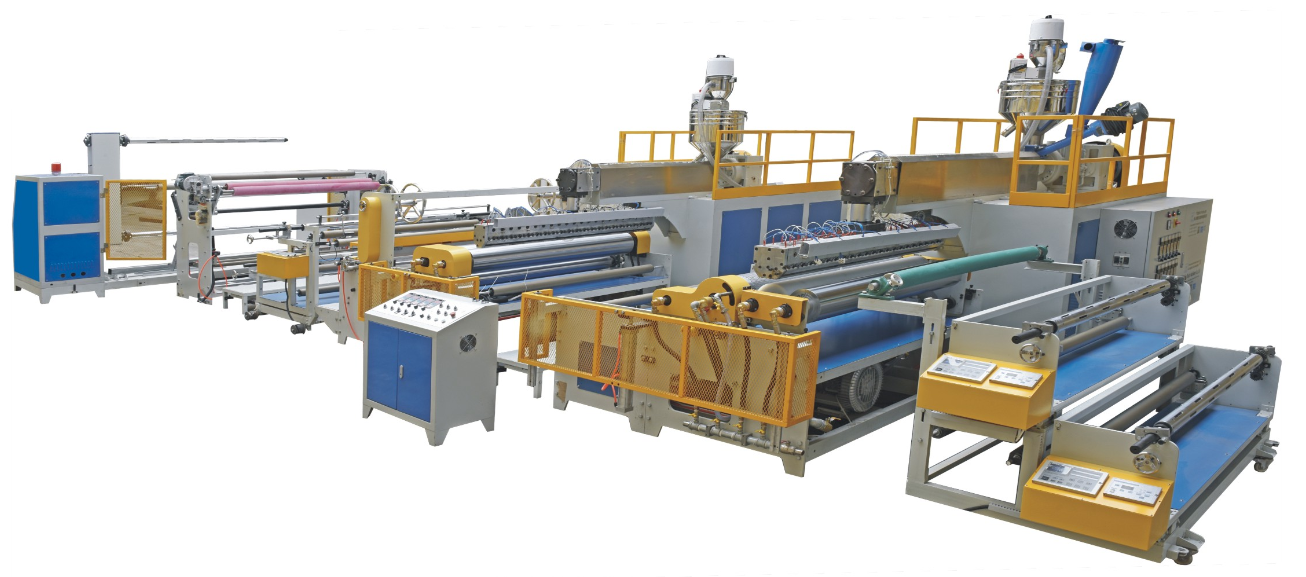
5-Layer Air Bubble Film Machine (2-Extruder)
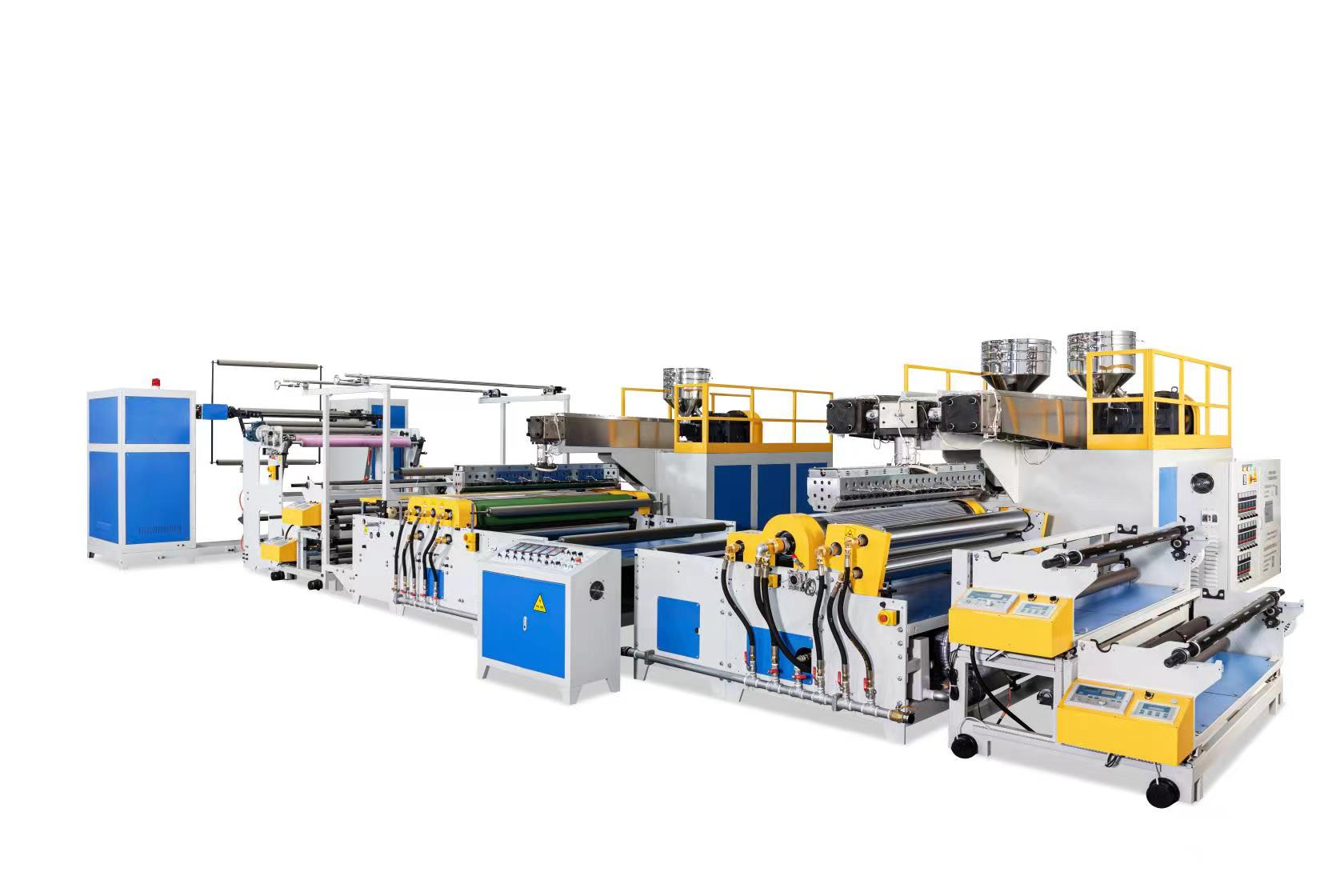
5-Layer Air Bubble Film Machine (3-Extruder)

7-Layer Air Bubble Film Machine (3-Extruder)
7-Layer Air Bubble Film Machine (5-Extruder)
-
-




Feb 18,2026
Step-by-Step Guide to Operating a 5 Layer Bubble Film Machine: Mastering the Art of Packaging
Introduction to 5 Layer Bubble Film Machines
In the world of packaging, **bubble film** has established itself as a vital material for protecting products during transport and storage. The **5 layer bubble film machine** takes this protection a step further by creating a robust and versatile product that can withstand the rigors of shipping while maintaining its integrity. Understanding how to operate this machine not only enhances productivity but also ensures that your packaging meets industry standards.
What is a 5 Layer Bubble Film Machine?
A **5 layer bubble film machine** is a specialized piece of equipment designed to produce multi-layered bubble film. The unique design comprises five distinct layers, which can include a combination of materials such as polyethylene and other polymers. This construction enhances the **strength, durability**, and **insulation properties** of the bubble film, making it suitable for a wide range of applications in various industries.
Key Features of a 5 Layer Bubble Film Machine
1. **Multi-Layer Structure**: The five layers provide superior cushioning and protection compared to traditional single-layer bubble film.
2. **Customizable Thickness**: Operators can adjust the thickness of the bubbles and the film to meet specific packaging requirements.
3. **Energy Efficiency**: Modern machines are designed to consume less energy while maximizing output.
4. **User-Friendly Control Panels**: With intuitive interfaces, operators can easily manage settings and monitor the production process.
5. **Durability and Maintenance**: Built with high-quality materials, these machines require minimal maintenance while delivering consistent results.
Benefits of Using a 5 Layer Bubble Film Machine
Investing in a **5 layer bubble film machine** provides numerous benefits for manufacturers and packaging companies:
- **Enhanced Protection**: The multi-layer design effectively absorbs shocks and protects fragile items.
- **Cost Efficiency**: By producing your own bubble film, you save on purchasing costs from suppliers and reduce waste.
- **Customization**: Tailor your bubble film to suit specific products, improving packaging effectiveness.
- **Environmentally Friendly Options**: Many machines now offer the capability to work with recyclable materials, reducing your environmental footprint.
Applications of 5 Layer Bubble Film
The applications for **5 layer bubble film** are vast, including:
- **Electronics Packaging**: Protects sensitive components during shipping.
- **Glass and Ceramics**: Ideal for fragile items that require superior cushioning.
- **E-Commerce Shipping**: Enhances product protection in the booming online retail sector.
- **Furniture and Decor**: Safeguards large and bulky items during transport.
Step-by-Step Guide to Operating a 5 Layer Bubble Film Machine
Operating a **5 layer bubble film machine** involves several key steps to ensure optimal performance. Below is a comprehensive guide that outlines the process.
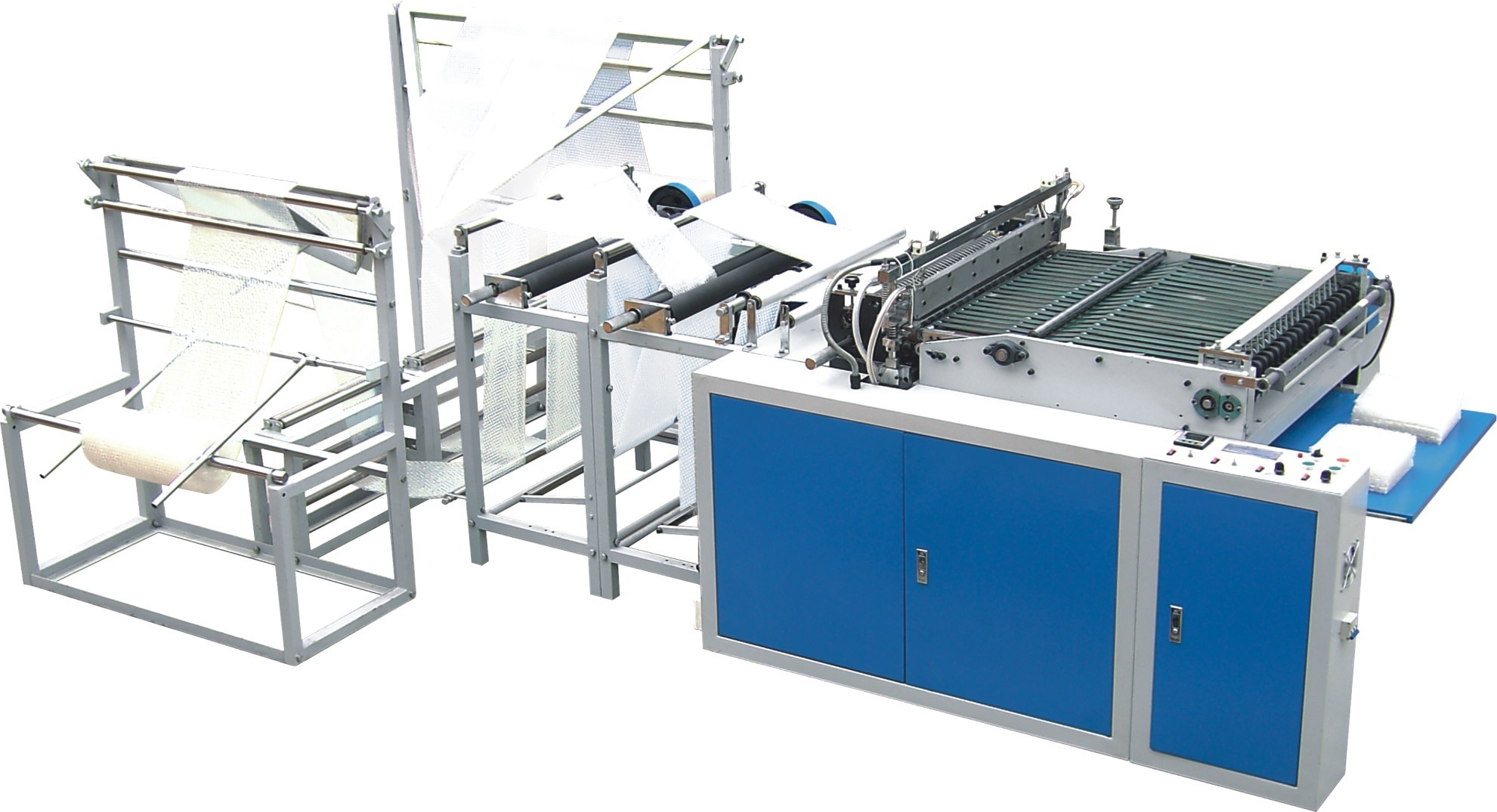
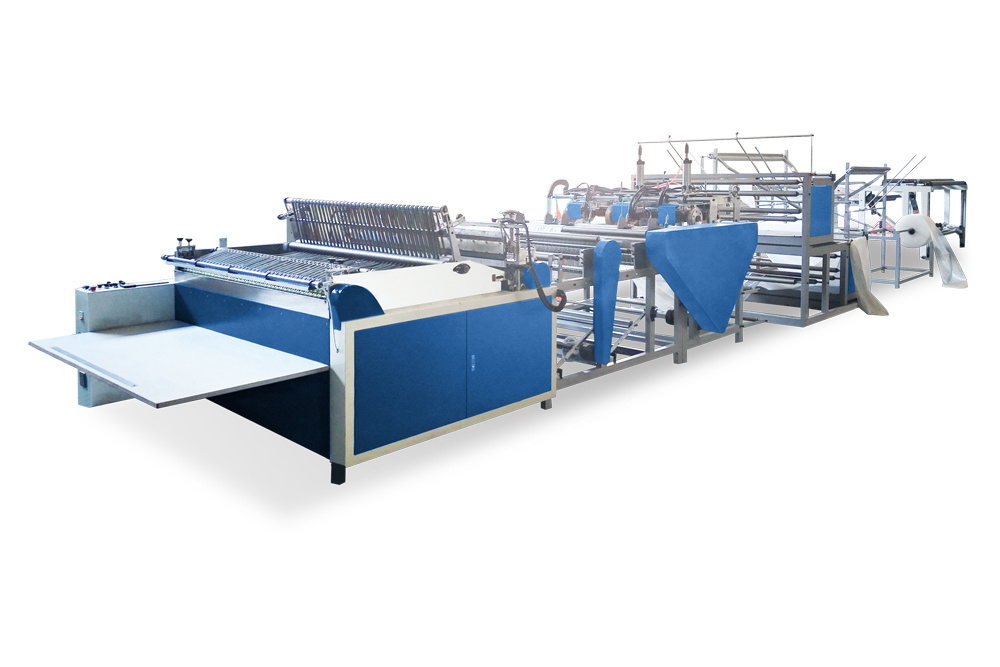
Step 1: Understanding the Machine Components
Before operating the machine, familiarize yourself with its core components:
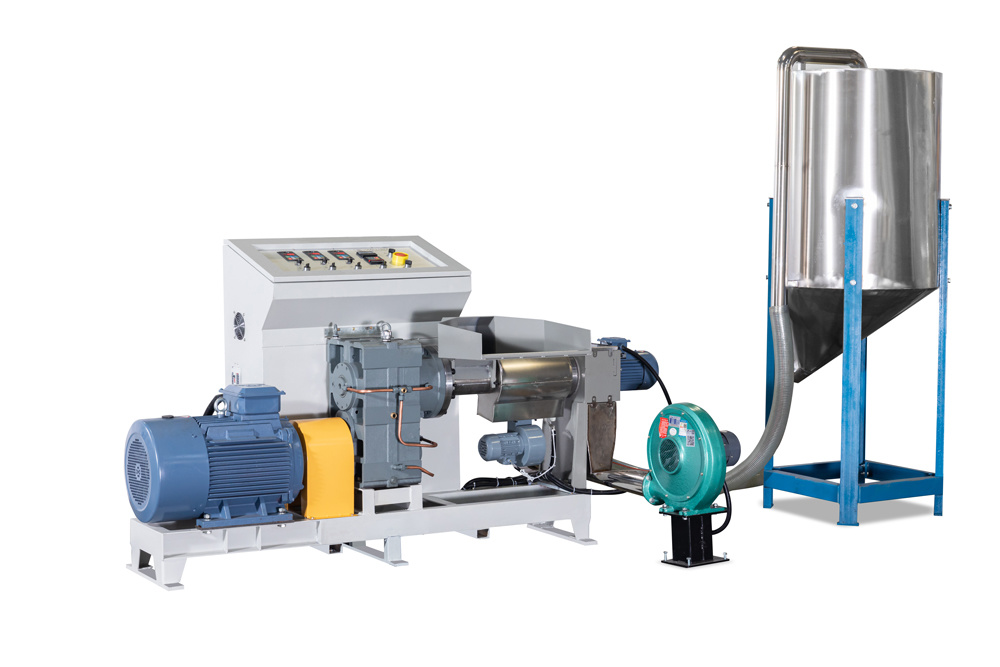
- **Feed Section**: Where raw materials are loaded into the machine.
- **Extruder**: Melts and extrudes the plastic material into layers.
- **Cooling System**: Cools the film as it passes through, ensuring it retains its shape.
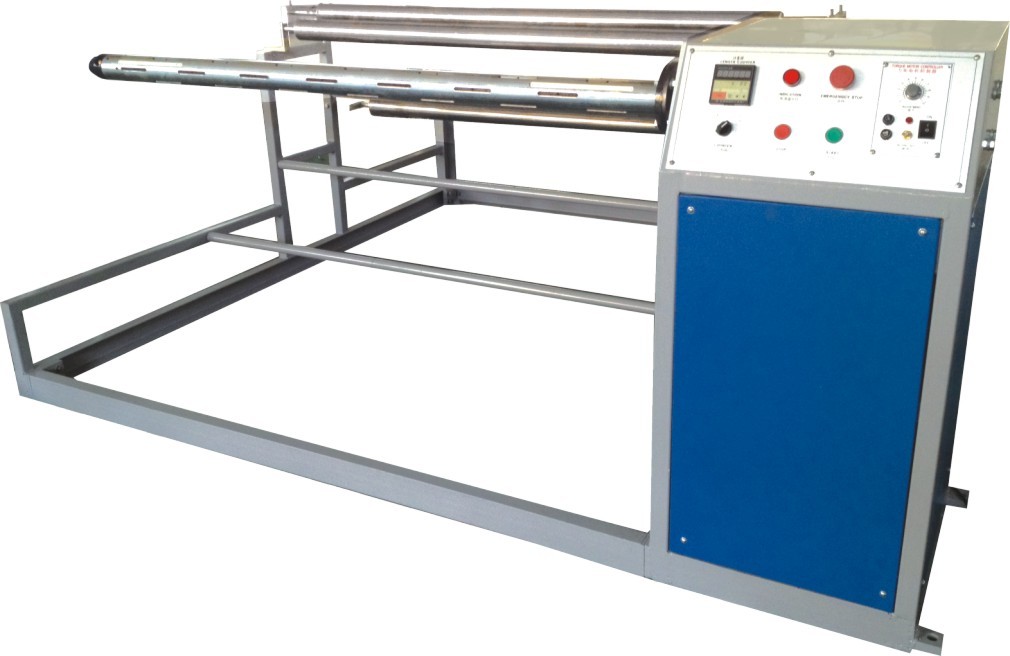
- **Winding Unit**: Collects the finished bubble film into rolls.
Step 2: Preparing the Machine for Operation
1. **Safety Checks**: Ensure that all safety guards are in place and that the emergency stop functions correctly.
2. **Material Loading**: Load the raw materials into the feed section. Ensure you have the correct type and quality of plastic.
3. **Adjust Settings**: Set the desired thickness and bubble size on the control panel based on your production requirements.
Step 3: Starting the Machine
1. **Power On**: Turn on the machine and allow the extruder to reach the optimal operating temperature.
2. **Monitor Feed Rate**: Adjust the feed rate to ensure a consistent flow of material into the extruder.
3. **Observe Production**: Watch for any irregularities in the bubble formation or film thickness.
Step 4: Quality Control During Production
To maintain high standards, implement quality control measures:
- **Inspect the Film**: Regularly check the film for bubbles and defects.
- **Measure Thickness**: Utilize calipers to measure the bubble size and film thickness periodically.
- **Adjust Parameters**: If defects are found, make necessary adjustments to the machine settings.
Step 5: Winding and Cutting the Film
1. **Winding Process**: Once the film reaches the desired length, activate the winding unit to collect the bubble film.
2. **Cutting the Film**: Use the cutting mechanism to cut the film at the appropriate intervals.
3. **Labeling**: Ensure each roll is labeled correctly regarding size and specifications for inventory purposes.
Step 6: Performing Routine Maintenance
Regular maintenance is crucial for ensuring the longevity of your **5 layer bubble film machine**:
- **Daily Cleaning**: Clean the machine's components to prevent material buildup.
- **Lubrication**: Apply lubricant to moving parts as per the manufacturer's recommendations.
- **Check for Wear**: Inspect belts and other components for wear and replace as necessary.
Common Issues and Troubleshooting Tips
Even the best machines can encounter problems. Here are some common issues and troubleshooting tips:
1. Irregular Bubble Formation
**Cause**: Incorrect temperature settings or feed rate.
**Solution**: Adjust the temperature and check the feed rate for consistency.
2. Film Breakage
**Cause**: Excessive tension or improper film thickness.
**Solution**: Review winding tension settings and ensure the film thickness is set correctly.
3. Poor Adhesion Between Layers
**Cause**: Insufficient extruder temperature.
**Solution**: Increase the extruder temperature to allow for better layer adhesion.
4. Contamination in Film
**Cause**: Dirty feed materials or machine components.
**Solution**: Ensure all materials are clean and conduct thorough cleaning of the machine before operation.
Best Practices for Efficient Operation
To maximize the efficiency of your **5 layer bubble film machine**, consider the following best practices:
- **Regular Training**: Ensure all operators receive proper training on machine operation and maintenance.
- **Monitor Performance Metrics**: Keep track of production rates and defect rates to identify areas for improvement.
- **Optimize Material Use**: Use just-in-time inventory to ensure you have the necessary materials without excess waste.
FAQs about 5 Layer Bubble Film Machines
1. What materials can be used in a 5 layer bubble film machine?
Most machines can use various types of polyethylene and other thermoplastics designed for durability.
2. How long does it take to set up the machine for production?
Setup time can vary but generally takes anywhere from 30 minutes to an hour, depending on the complexity of the job.
3. Can the machine produce custom-sized bubble film?
Yes, most modern machines allow for customization in film width and bubble size.
4. What is the typical lifespan of a 5 layer bubble film machine?
With proper maintenance, these machines can last for many years, often exceeding a decade of operational life.
5. Are there eco-friendly options available for bubble film production?
Yes, many manufacturers now offer machines that can use recyclable materials, promoting sustainability in packaging.
Conclusion
Operating a **5 layer bubble film machine** involves a blend of technical knowledge, practical skills, and adherence to best practices. By following the step-by-step guide detailed above, operators can ensure efficient production while maintaining high-quality standards. As the demand for effective packaging solutions continues to grow, mastering the operation of this machine will place you at the forefront of the packaging industry, enabling you to meet customer needs while optimizing your business operations.
Related News